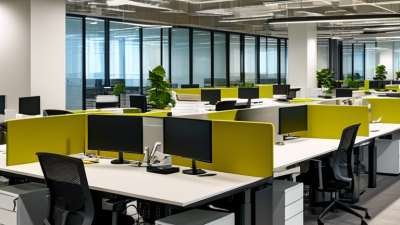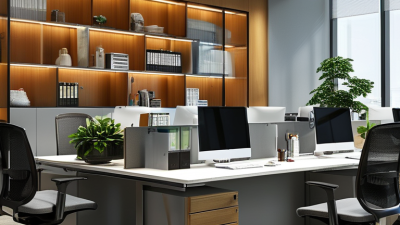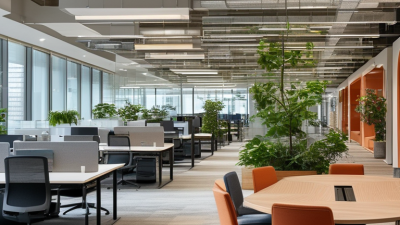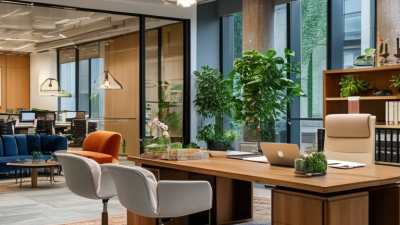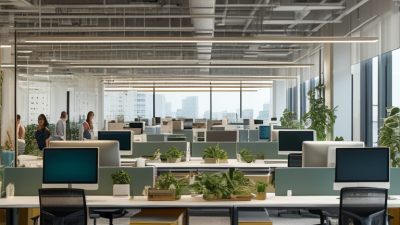
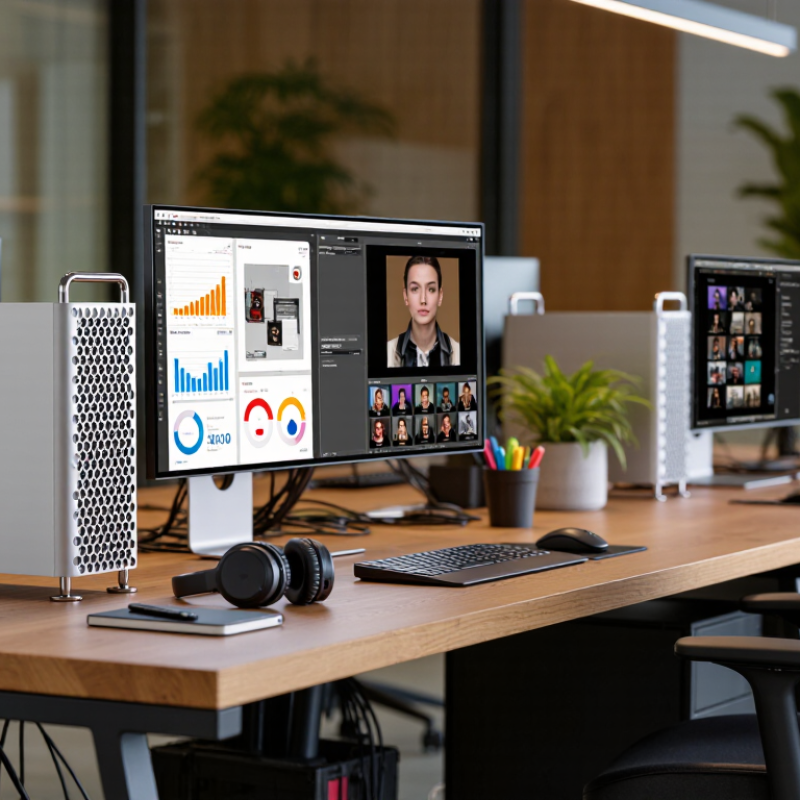
In 2026, an office workstation system is more than a desk with a computer. It is a coordinated work environment built around tasks, people, and changing digital demands. A practical system may include a height-adjustable desk, an ergonomic chair, docking equipment, displays, cable management, and secure network access. Each element should support focused work without creating unnecessary clutter. In daily office use, small details matter. A poorly placed monitor can cause neck strain before lunch.
The defining feature is adaptability. Workstations now need to support video meetings, data analysis, creative software, and shared projects. Modular components allow teams to change layouts without replacing everything. A reliable system also manages power use, device access, data protection, and maintenance records. Professional evaluation should include noise levels, screen positioning, ventilation, accessibility, and user comfort over several hours. Performance alone is not enough.
Real offices reveal weaknesses that specifications often miss. A cable channel may look efficient but become crowded after new equipment arrives. Wireless connections can improve flexibility, yet they may introduce inconsistent performance. The best planning process uses employee feedback, safety guidance, and measured workspace data. It should also leave room for human variation. A perfect workstation does not exist. Some recommendations may need revision after real users test them.