Top 10 Benefits of Flexible Workspaces for Modern Businesses
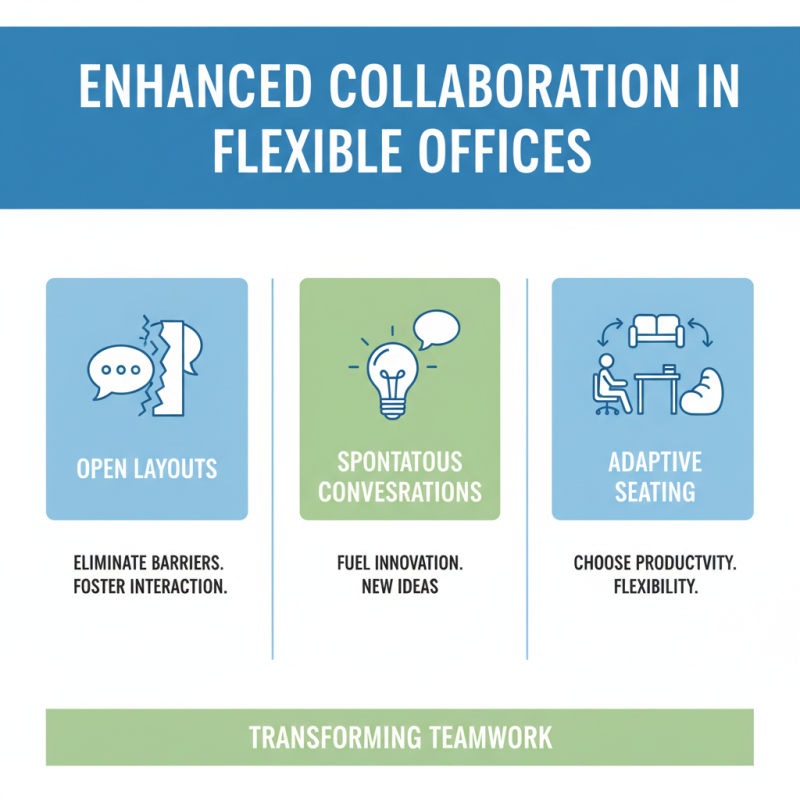
In today's rapidly evolving business landscape, "flexible workspaces" have emerged as a vital element for modern organizations. According to a 2021 report by Global Workplace Analytics, 30% of the workforce is expected to work remotely by the end of 2023. This shift is reshaping how businesses operate. Flexible workspaces provide adaptability, encouraging collaboration and innovation among teams.
Research from JLL highlights that companies utilizing flexible workspaces can save up to 30% on real estate costs. These spaces also promote employee well-being, which directly impacts productivity. Yet, not all flexible workspaces deliver the same benefits. It is essential for businesses to choose spaces that align with their culture and objectives.
As organizations transition to this new model, they must also address potential challenges. Employees may feel isolated without the usual office environment. Balancing flexibility with connection is key for success. The effectiveness of flexible workspaces hinges not just on design, but also on the strategies implemented to maintain team cohesion.
Benefits of Improved Employee Work-Life Balance in Flexible Workspaces
Flexible workspaces have become an essential part of modern business strategies. They offer various advantages that extend beyond mere cost savings. One significant benefit is the improved work-life balance experienced by employees. With the freedom to choose where and how they work, employees can better manage their personal and professional responsibilities. This flexibility reduces stress and leads to higher job satisfaction.
When workers have more control over their environment, they often feel more empowered. For instance, the option to work from home can allow for family needs or personal appointments without guilt. Additionally, the ability to engage in physical activities, like taking a walk during a break, promotes mental well-being. However, it is essential to address the challenge of disconnecting from work. Some employees may struggle to establish boundaries, potentially leading to burnout.
Creating clear policies around availability and communications can help mitigate these risks. Some companies might overlook the importance of fostering open dialogues about workload and expectations. Regular check-ins can help to balance flexibility with productivity. Ultimately, while flexible workspaces present incredible opportunities, they require ongoing effort to ensure that work-life balance remains a priority.
Top 10 Benefits of Flexible Workspaces for Modern Businesses
Cost-Effectiveness of Flexible Workspaces for Modern Businesses
Flexible workspaces have become a game-changer in today's business environment. Cost-effectiveness is a key benefit. Businesses can save significantly on overhead expenses. Rent for large offices can be high. Flexible spaces often provide leasing options that are more adaptable. This allows companies to only pay for what they use.
Moreover, maintenance costs are usually lower. Many flexible workspaces come with amenities included. This means businesses don’t have to spend extra on utilities or office supplies. Employees can also work from various locations. This mobility can reduce commutes and workspace demands.
However, it's not without its challenges. Some businesses struggle with the transition to this setup. Others may find it hard to maintain company culture. Communication might also suffer if teams are fractured across various locations. Adaptation to flexible workspaces demands a shift in mindset. Organizations must be willing to invest in technology for seamless collaboration.
Boosting Employee Productivity Through Flexible Workspace Design
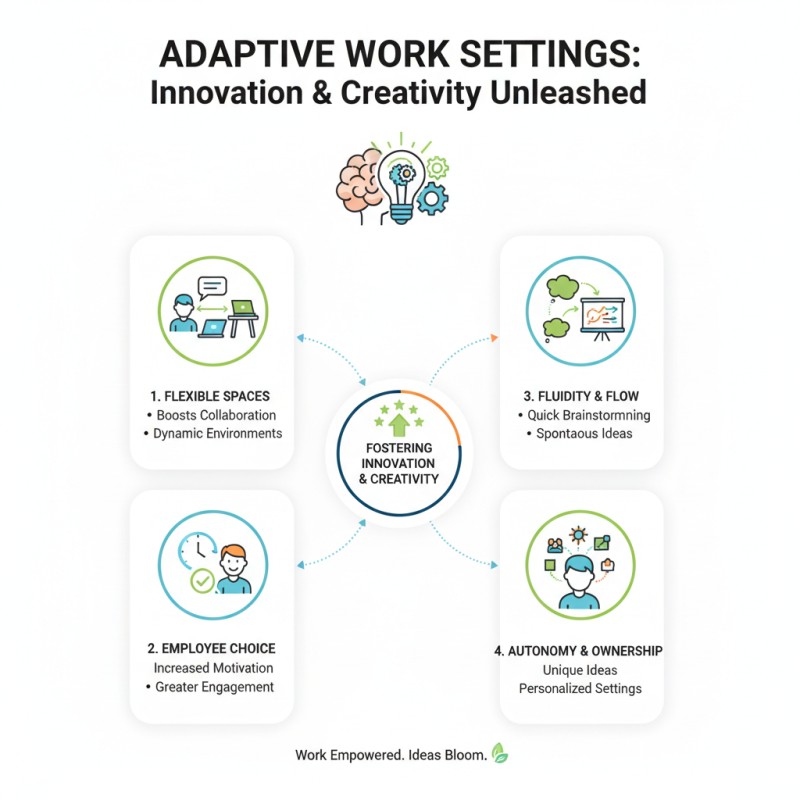
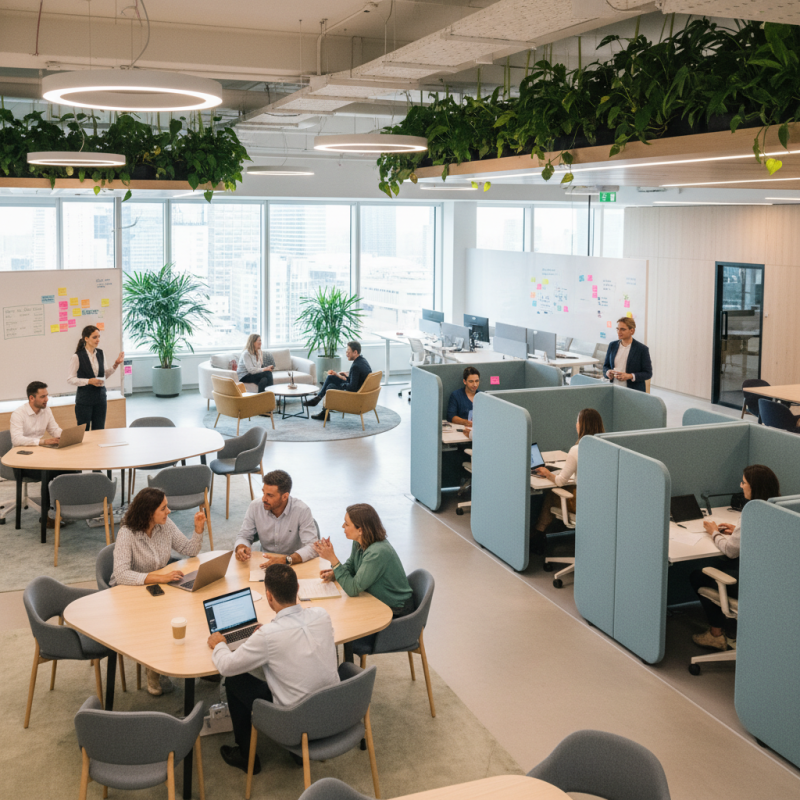
Flexible workspace design has transformed the modern office landscape, directly influencing employee productivity. A study from the International Facility Management Association found that 94% of employees believe a well-designed workspace significantly impacts their productivity. Flexible workspaces allow employees to choose where to work based on tasks. This autonomy can boost job satisfaction and output.
The trends toward open areas and collaborative zones create a dynamic environment. According to a report by Gensler, organizations that adopt flexible layouts report a 38% increase in collaboration. However, not all flexible spaces work for every team. Some employees may feel overwhelmed by noise or distractions. Companies must continuously evaluate these spaces to maximize employee comfort and efficiency.
The fit between workspace design and employee needs is crucial. Creating areas for quiet focus is just as vital as promoting collaboration. As companies refine their flexible work environments, they should gather employee feedback. This ongoing dialogue nurtures a culture that values both productivity and well-being. Workers thrive in spaces that adapt to their workflows and preferences.
Top 10 Benefits of Flexible Workspaces for Modern Businesses - Boosting Employee Productivity Through Flexible Workspace Design
| Benefit |
Description |
Impact on Productivity |
| Increased Collaboration |
Promotes teamwork with open spaces. |
Enhances idea sharing and innovation. |
| Work-Life Balance |
Allows for flexible hours and remote work options. |
Reduces stress and increases job satisfaction. |
| Cost Savings |
Reduces overhead costs for office space. |
Increases available budget for other resources. |
| Enhanced Focus |
Private spaces for tasks requiring concentration. |
Improves overall work quality and output. |
| Adaptability |
Easily reconfigurable workspaces to meet changing needs. |
Fosters a dynamic working environment. |
| Technology Integration |
Encourages use of tech solutions for communication. |
Streamlines processes and workflows. |
| Employee Engagement |
Involves employees in workspace decisions. |
Increases commitment and morale. |
| Health Benefits |
Encourages movement and ergonomic setups. |
Reduces absenteeism and healthcare costs. |
| Environmental Sustainability |
Utilizes eco-friendly materials and practices. |
Attracts eco-conscious consumers and talent. |
| Flexibility in Hiring |
Attracts a wider talent pool with remote options. |
Improves hiring efficiency and diversity. |